
Dental Implants Sparks
A Truly Superior Form of Tooth Replacement
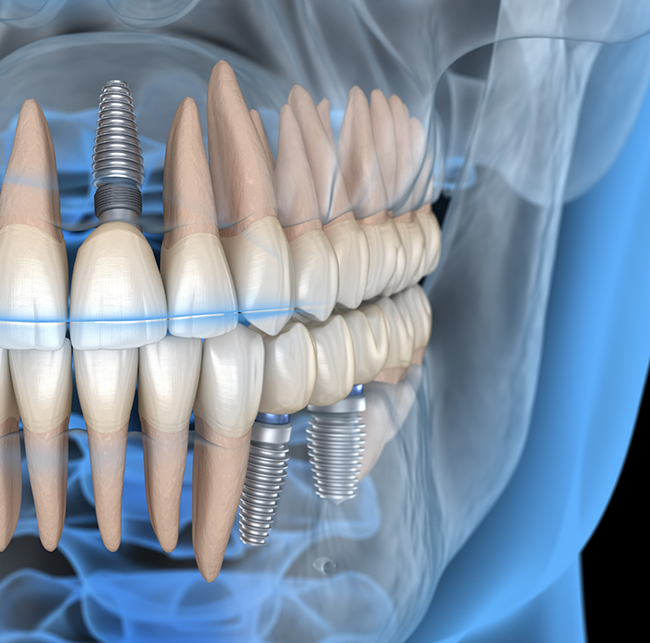
Dental implants have changed the way we replace missing teeth, giving dentists the ability to restore the entire tooth, not just the visible portions. At Vista Dental Care, we utilize our state-of-the-art technology, like the CT/Cone beam scanner, to accurately and precisely plan for the surgical positioning of implant posts into the jaw. We can even have custom-made guides created via our computer-guided dental implant placement software. That means we’re able to perform the entire procedure right here at our office—both the surgical implantation and the restoration. If you’d like to find out more about the process of getting dental implants in Sparks, contact our dental team to schedule a consultation. We’ll help you find the best tooth replacement option for your smile!
Why Choose Vista Dental Care for Dental Implants?
- Start-to-Finish Dental Implant Procedures
- State-of-the-Art Technology for Accurate Implant Placement
- Compassionate, Knowledgeable Dental Team
What Is a Dental Implant?
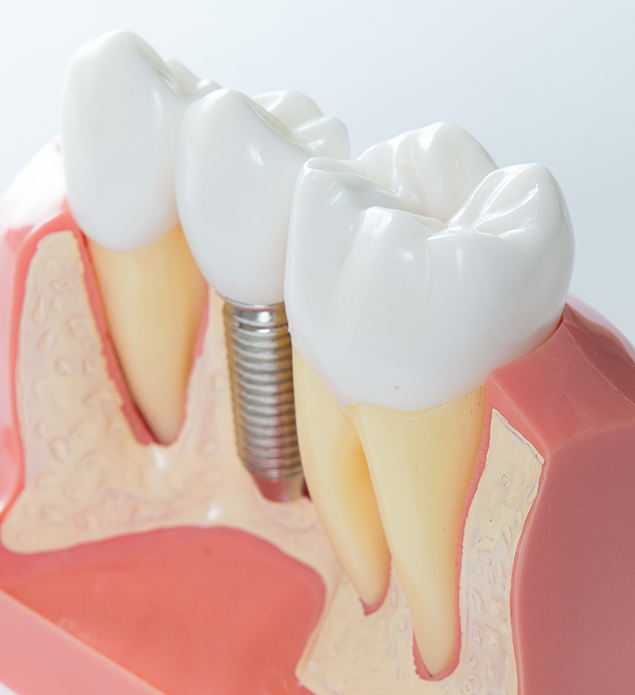
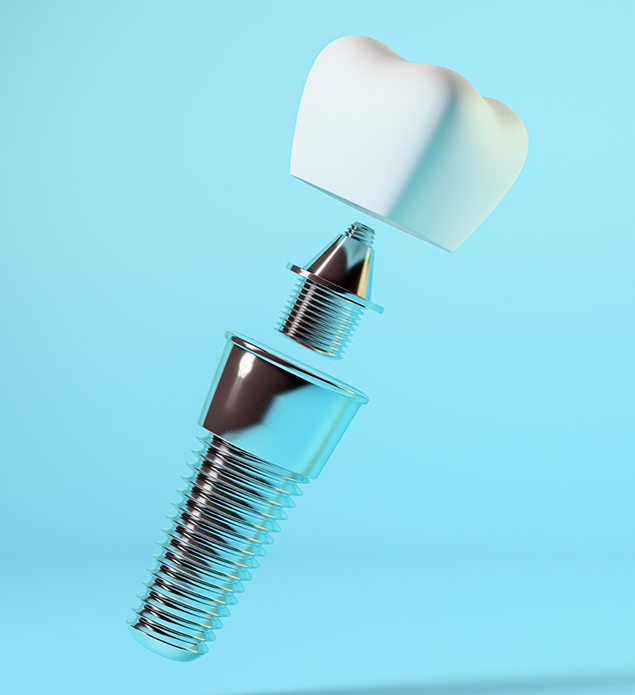
The three main components of a dental implant are the implant post, the abutment, and the final restoration. By itself, the post looks more like a screw than a tooth. It can be surgically placed into the jaw so that it can gradually join with the surrounding bone. Ultimately, the post will be used to support the final restoration, which is the crown, bridge, or denture that will fill in the empty space in your smile. The abutment is the piece of metal that’s responsible for keeping the restoration attached to the post.
The 4-Step Dental Implant Process
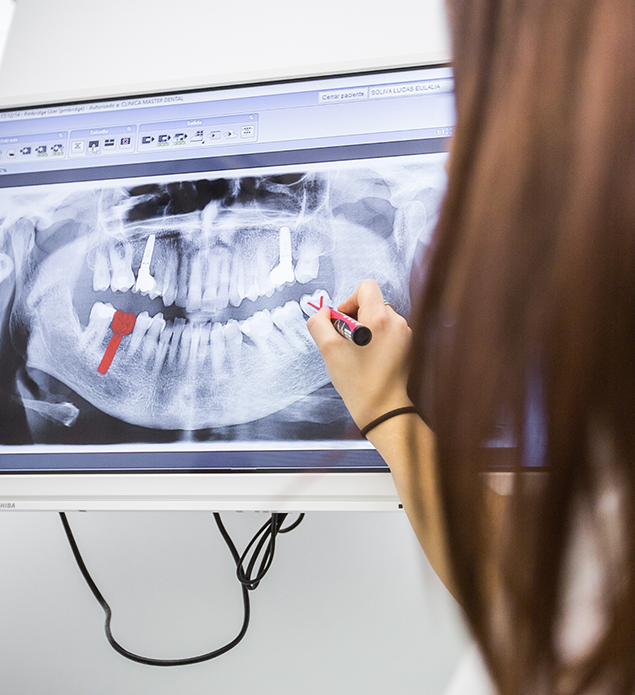
Because our team is dedicated to continuing education in order to provide advanced services for our patients, we've completed training in dental implant placement. Our office also has access to many of the innovative technologies that surgical practices utilize to make implant placement safe and effective. Here’s a brief overview of what the process will ultimately look like.
Initial Dental Implant Consultation

If you have good oral and general health, you are a candidate for dental implants; however, you will require a thorough consultation. In addition to evaluating your dental health, we will discuss your medical and lifestyle history to look for any potential issues that could lead to late-term implant failure, like immune disorders or smoking.
Diagnostic images will be needed to assess the health of your jawbone. We will take digital X-rays and use CT scans to gain a complete picture of your oral structures. Based on the information, he may recommend that you undergo additional procedures prior to having the posts placed, such as tooth extractions, bone grafting, or a sinus lift.
Dental Implant Surgery
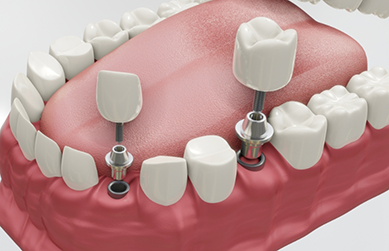
Dental implants continue to get better and better, and this includes the process in which they’re placed. We’re able to use special computer software that assists our team greatly both before and during the implant surgery. We can carefully plan each implant’s exact position, angle, and depth before surgery, and then ensure a smooth and more comfortable procedure.
Dental Implant Osseointegration & Abutment Placement
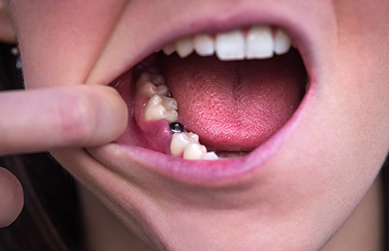
Over the next few weeks, new bone growth will be stimulated, and your jaw will fuse to the posts through a process called osseointegration. Once your jawbone has healed, you will need a second minor surgery to have your abutments placed. During this procedure, your gum tissue will be opened to give us access to the implants. After the abutments are positioned, your gum tissue will heal around them to create a natural-looking gumline.
Delivery of Dental Implant Restorations

To fill the empty spaces in your smile, digital impressions will be needed to design your restoration, such as a crown, bridge, or denture. It will be created with accuracy to meet your exact needs. Made from high-quality, durable materials, it will last for several years with the right care. It will also look natural, so no one will be able to tell that they are not your real teeth. The completed restoration will be attached to your dental implants during one last appointment.
Who Dental Implants Can Help
If you are interested in rebuilding your smile with dental implants, then you shouldn’t hesitate to schedule an appointment with our team at Vista Dental Care! That way, we can complete a comprehensive oral exam and determine if this is the ideal tooth-replacement solution for you. In the meantime, you can read on to learn a few of the qualities that we look for during the exam, as well as the different types of dental implants that we offer at our Sparks dental office.
Who Is a Good Candidate for Dental Implants?

There are a few qualities that we look for during the exam, including:
- Healthy gums (as well as any remaining natural teeth)
- A jawbone that’s strong enough to support dental implants
- A commitment to healthy habits, like brushing twice a day
- A willingness to quit smoking and other harmful habits
If the answer is “yes” across the board, then there’s a pretty good chance that you can have the gaps in your grin filled with sturdy dental implants. Depending on the number and location of missing teeth, the kind of dental implant restoration used can vary. Typically, we recommend one of the following options:
Missing One Tooth
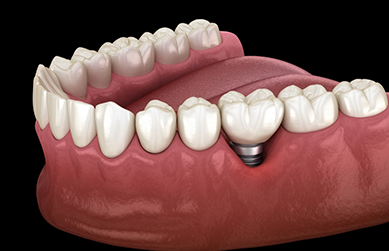
If you are missing only one tooth, then we can replace it with a single dental implant. The first step is securing the dental implant to the jawbone so the two can fuse together. Once that process is complete, we can secure a custom dental crown in place with an abutment. Moving forward, you’ll be able to enjoy a complete smile and a strong bite. Plus, yours can last for 30+ years with proper care (i.e., brushing twice a day, scheduling a dental checkup every six months, wearing a mouthguard during sports).
Missing Multiple Teeth
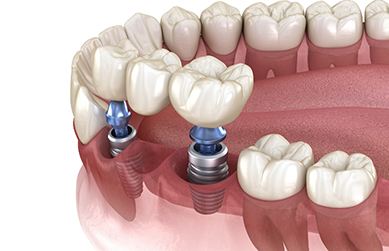
When patients are missing numerous consecutive teeth, we typically recommend an implant bridge. If we decide together that this is the ideal solution for you, then we will secure an implant on each side of the gap. Then, we will “bridge” the open space with a custom restoration. Not only does this lead to added stability, but it also doesn’t require healthy enamel to be altered (which is often the case with traditional dental bridges).
Missing All Teeth
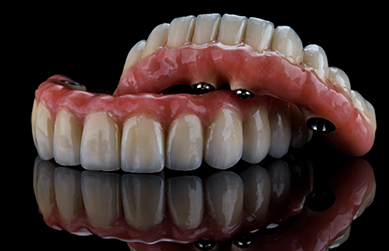
If you’ve experienced advanced tooth loss, a partial or full denture supported by dental implants may be your best option. Like traditional partial and full dentures, implant dentures utilize a base material to support numerous missing teeth. Where traditional dentures are anchored to surrounding teeth or utilize suction between teeth and gums for support, your implant denture will be naturally supported by three to six dental implant posts that replace missing tooth roots. This recreates your lost teeth, creating a seamless, natural appearance and long-lasting stability.
Learn More About Implant Dentures
All-on-4 Dental Implants
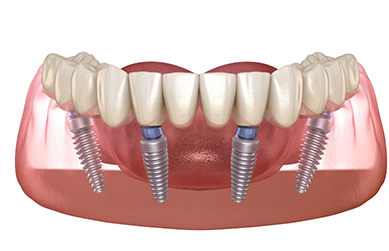
With All-on-4 dental implants, we can replace an entire arch of teeth with as few as four dental implants. They’re placed at strategic positions throughout the jaw, in areas where the bone is naturally thick and strong. After the implants are inserted, you’ll immediately receive a provisional denture. All-on-4 is a remarkable procedure that offers many of the benefits of traditional dental implants, including a strong bite and a confident, beautiful smile.
Learn More About All-On-4 Dental Implants
Understanding the Cost of Dental Implants
Dental implants allow you to make a long-term investment in your smile and your quality of life. When determining how much your treatment will cost, there are various aspects that influence the amount you will have to pay. To help keep your procedure affordable, there are several payment options you can use, such as your dental insurance and CareCredit.
Preliminary Treatments & Dental Implant Surgery
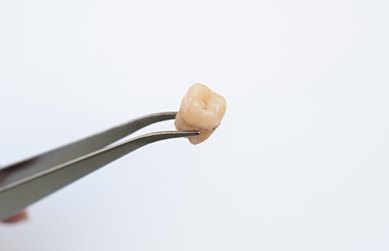
It is not uncommon to need tooth extractions, bone grafting, or a sinus lift prior to placing your posts. Naturally, you will need to pay for these procedures separately. Then, when it comes to the surgery itself, the cost will be influenced by a number of factors, including whether sedation or anesthesia is used to help you stay comfortable during the procedure. The good news is that you won’t need to worry about being billed by a different practice since our team will handle every step of the dental implant process.
The Parts of Your Dental Implant
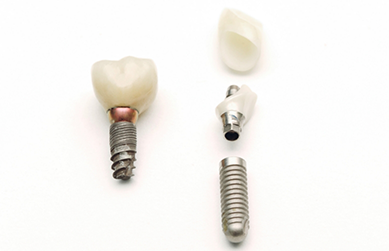
There are various aspects of your treatment that will influence the price, such as:
- Number of Replacement Teeth:A single implant post is cheaper than multiple implant posts; however, replacing several teeth with a bridge or denture is more affordable than treating each tooth individually.
- Abutments: If more than one is needed, the price will increase.
- Materials: The types of posts and restorations that are used impact the cost, such as if mini dental implants are used instead of traditional posts.
How Dental Implants Can Save You Money

Although you will spend more upfront than with traditional options, dental implants are more affordable long-term because they have the potential to last for a lifetime. You will not need to have them replaced in the future if you care for them properly. On top of that, filling in the gaps in your grin can lower your risk for oral health issues associated with missing teeth, meaning you can avoid problems that might require paying for additional treatments.
Does My Dental Insurance Cover Dental Implants?

Most insurance policies do not cover the cost of the procedure in full, but they may pay for certain aspects, like the anesthesia or the final restoration. Don’t forget to review your plan so that you can get an idea of what your benefits look like and how they can be used to make paying for your dental implants easier. You can always speak to our team if you have any dental insurance questions, and we can file claims for you if need be.
Dental Implant Post-Op Instructions
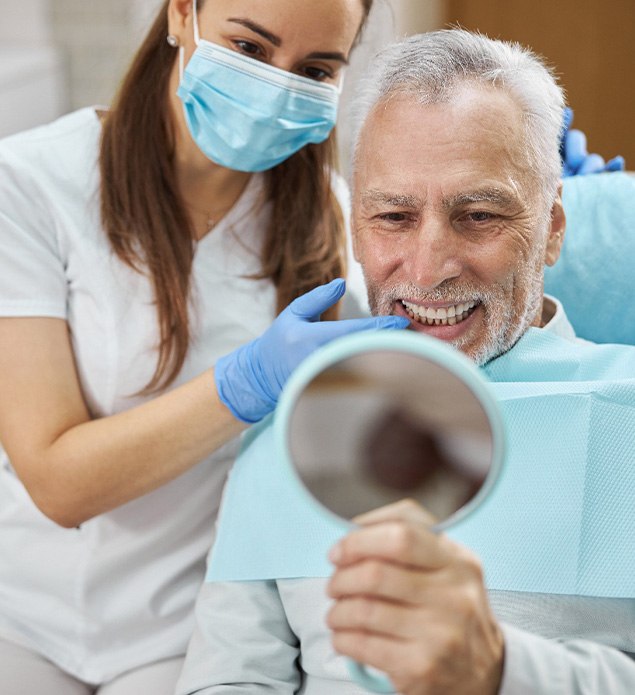
Our dentists are able to do both the dental implant surgery and restoration in-house, allowing you to receive care from a team you know and trust throughout your journey. Because our tooth replacement process is streamlined, we’re also able to care for you throughout your dental implant surgery and recovery, ensuring proper healing. You can learn more about what to expect after your placement procedure below.
What to Do Directly After Your Surgery
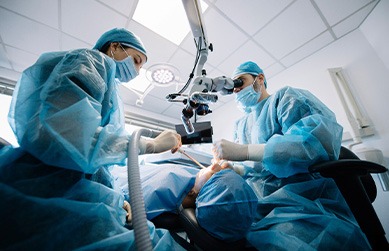
Just like after you receive a tooth extraction, one of the most important goals following your dental implant surgery is to protect the blood clot that will form around your dental implant. As such, you’ll need to avoid disturbing your surgical site (either with your fingers or tongue), as well as cease tobacco use and avoid drinking from a straw.
Common Side-Effects Following Dental Implant Placement

If you’ve never had oral surgery before, you may not know what to expect at all following your placement procedure. As you’re healing, sometimes, it can be hard to tell the difference between symptoms that are normal and ones that are of concern. You can expect to experience soreness, bleeding, swelling, and overall discomfort for the first few days; however, you should call us if it persists past a week or the pain worsens.
Your Diet After Dental Implant Surgery

Directly after your surgery, you will need to maintain a soft diet to avoid dislodging the blood clot. Stock your kitchen up with these versatile soft foods:
- Smoothies
- Pudding
- Cold soup
- Yogurt
- Ice cream
- Scrambled eggs
- Mashed potatoes
- Pasta
Post-Operative Health & Oral Hygiene

Even though your mouth may be sore and you won’t feel like it, you will need to continue your oral hygiene routine after your surgery to prevent bacteria build-up. Brush your teeth like normal (twice a day for two minutes each time), but avoid directly scrubbing your implant site. For a closer clean of the implant site, swish with lukewarm saltwater several times a day, especially after meals. Instead of spitting the water out, let it fall from your mouth directly into the sink. Also, be sure to avoid any mouthwashes that have alcohol in them and follow your dental implant post-op instructions in Spark carefully.
What to Do After Your Permanent Teeth are Attached

After your implants have fused with the jawbone and your abutments have been attached to the implants, it will be time to secure your replacement teeth. This is by far the most exciting part of the process because it means you’ve reached the finish line! After this final step, you may notice some sensitivity and mild discomfort—this can usually be relieved with an over-the-counter pain medication like ibuprofen. If you notice any other symptoms that are concerning, don’t hesitate to reach out to our implant dentist in Sparks.
Dental Implant Technology

We utilize a wide range of state-of-the-art dentistry techniques and technologies in order to make the services we offer faster, safer, and more effective for every patient who visits. When we provide complex dental treatments like dental implants, it makes sense that we would rely on all the most innovative strategies at hand to ensure the ideal end result. Below, we’ll discuss some of the high-tech tools we utilize to create seamless dental implant tooth replacement plans to put the smile back on your face.
CT/Cone Beam Scanning
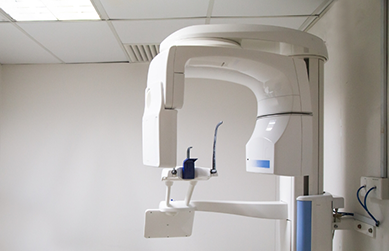
The key to our precise dental implant tooth replacement planning is the use of CT/cone beam scans. Unlike traditional X-rays that only allow us to see a two-dimensional image of one section of the smile, our CT cone beam scanner can give us a 360-degree view of one tooth or your entire smile. When we’re planning a tooth replacement procedure, this is essential. It ensures we see the way that your new tooth or teeth will impact your bite and aids us in creating a flawless-looking and functioning restoration, so you can speak, chew, and smile with total confidence in every situation.
Digital Bite Impressions
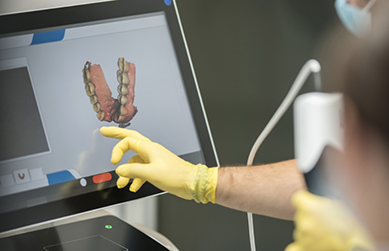
In addition to our advanced, three-dimensional X-rays, we also utilize digital bite impressions. These are used by our dental lab to create your replacement tooth or teeth. In the past, we needed to capture impressions in putty and mail them to the dental lab. This process not only takes longer but also increases the risk of human error. Digital impressions precisely capture every pit and groove in your prepared smile. Then, we can instantly transfer the impressions to our trusted dental lab so they can get started creating your replacement tooth or teeth immediately.
Same-Day Restorations with CEREC
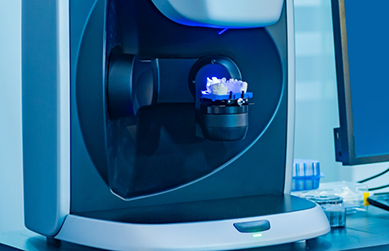
In addition to advanced treatment technology to improve the planning process and dental lab communication, we also use the state-of-the-art CEREC system to create replacement teeth in just one appointment. CEREC allows us to perform the entire design and crafting process for dental restoration right here in our office. That means you can have a brand new, custom dental crown or bridge on the same day your abutments are placed.
Advanced Dental Implant Procedures
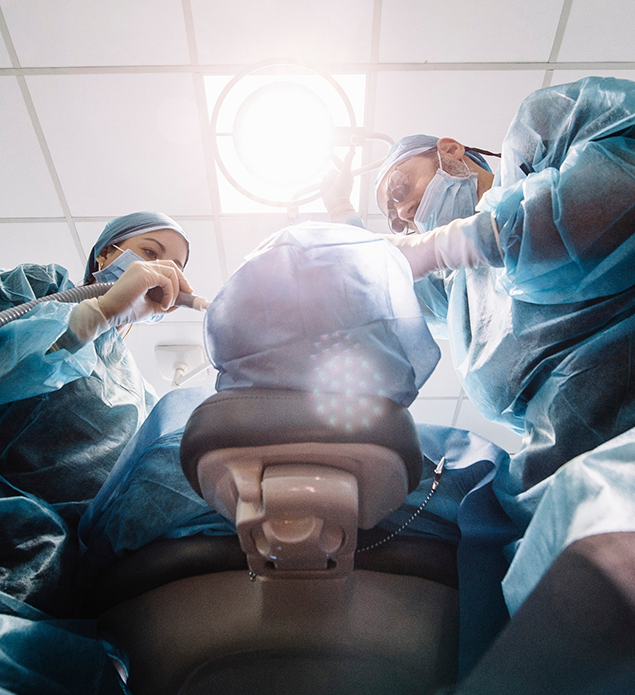
Many patients understand that replacing missing teeth with a dental implant-supported restoration is going to be a lengthy and complex process. What they may not know is that the dental implant placement procedure can be just one of several complex treatments that are necessary as part of the overall tooth replacement plan. In addition to dental implant placement, you may also need one or more advanced preparatory services like bone and soft tissue grafts or tooth extractions. These procedures are often necessary to improve a patient’s chances for successful dental implant placement and restoration.
PRF Treatment
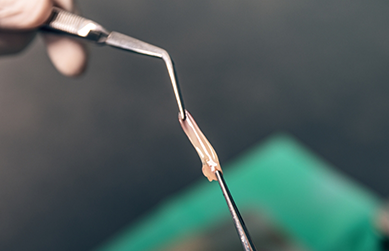
Platelet-rich fibrin (PRF) treatment enhances healing and promotes stronger, faster recoveries after dental implant procedures. Using a small sample of your own blood, PRF essentially helps to stimulate tissue regeneration and bone healing. It’s a safe and biocompatible technique that ultimately helps to reduce swelling, minimize post-op discomfort, and improve the success rate of your implants in the long run.
Soft Tissue Grafts
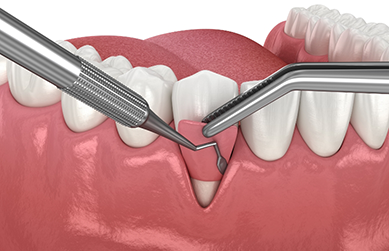
A soft tissue graft is one of the services we may recommend prior to implant placement or after. We may use these tissue grafts to build supportive structures to ensure successful implantation. We can also use a soft tissue graft to improve the appearance of the smile if the gums become thinner over time and reveal the dark-colored implant structure below.
Bone Grafts
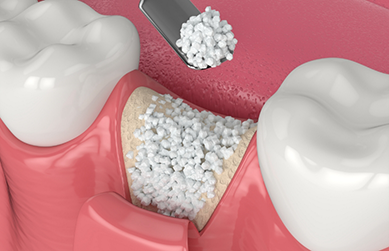
For patients who have experienced diminished jawbone density following tooth loss, we may recommend a bone graft. These grafting procedures build up the height, width, or density of supportive jawbone structure, improving chances for successful dental implant placement. There are a variety of different types of bone grafting procedures available based on each patient’s unique needs.
Sinus Lifts
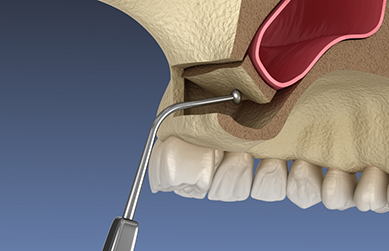
Easily the most common type of bone grafting procedure, a sinus lift is used to diminish the open space in the sinus to improve the chances of successful implantation into the top of the jawbone. By adding bone tissue to lift this sinus gap, patients have a dramatically increased chance of successful upper jaw tooth replacement.
Dental Implant Failure & Salvage

We’ll typically take every precaution to ensure that your dental implants are a success, but complications can still occur even with the best preventive care. If an infection or an injury causes your implants to fail, call us as soon as you can so we can narrow down the cause and figure out the best way to go about treatment. Once we’re sure that the mouth is healthy and that the jaw is ready to support implant posts, we can attempt the surgery again.
Learn More About Dental Implant Failure & Salvage
Maintaining & Caring for Your Dental Implants

Your new smile can last for a lifetime if you care for it properly over the years. The biggest threat to the longevity of dental implants is an infection that is similar to gum disease. You can keep your smile infection-free and ensure it lasts for decades using the best oral hygiene habits.
Make Oral Hygiene a Priority

Dental implants are not subject to tooth decay; however, any remaining natural teeth can still develop cavities. To keep them healthy, you must brush and floss daily. This also removes harmful food particles and plaque that can lead to odors and an infection known as peri-implantitis.
It is best to use a soft-bristled toothbrush and non-abrasive toothpaste to clean all surfaces of your teeth, your restorations, and your tongue for at least two minutes twice a day. Clean in between each tooth, around the abutments, and the posts daily using high-quality floss.
Protect Your Dental Implants
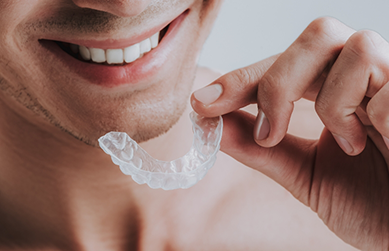
Dental implants are made from a durable material that allows them to withstand the pressure of regular chewing. Unfortunately, they can still become damaged. To protect your new smile, it is best to wear an athletic mouthguard if you participate in any sports. If you have a habit of grinding or clenching your teeth, ask your implant dentist in Sparks about getting a mouthguard.
It is also best to avoid using your teeth as tools to open packages. Do not chew on inedible objects, like pens, pencils, or your fingernails.
Schedule Regular Dental Checkups
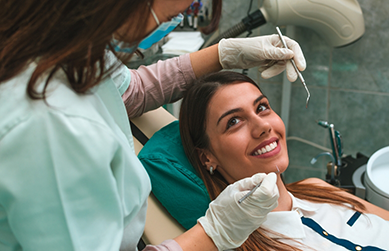
Preventive dental care is crucial to promoting the longevity of your new smile. Besides letting us remove any harmful accumulations of plaque and tartar, it also allows us to monitor your oral health. We can detect any areas of concern sooner and quickly intervene to reduce the risk of late-term implant failure. It is recommended that you schedule an appointment for a cleaning and checkup at least twice a year.
Dental Implant FAQs
What Materials Are Used to Craft Dental Implant Posts?
Dental implant posts are crafted from a number of different materials. Some of the most common are titanium and zirconia. Before beginning your implant-based tooth replacement plan, we’ll take the time to review your options and help you choose the best one for your unique needs.
How Long Do Dental Implant Tooth Replacements Last?
On average, dental implant-supported replacement teeth last twenty years. With proper care, some patients may be able to keep their implant restorations for life. This is compared to traditional replacement teeth that need to be replaced or repaired every five to ten years.
Do I Need to Care for My Dental Implants Differently from Natural Teeth?
For the most part, you can brush and floss your implant restoration as usual. To clean between more advanced tooth replacement prostheses like partial and full dentures, we may recommend the use of an air or water flosser to remove plaque buildup between the gums and denture base. During your six-month dental exams and professional teeth cleanings, we’ll be happy to provide guidance to help you maximize your at-home hygiene routines and keep your replacement teeth flawless and functional for longer.