
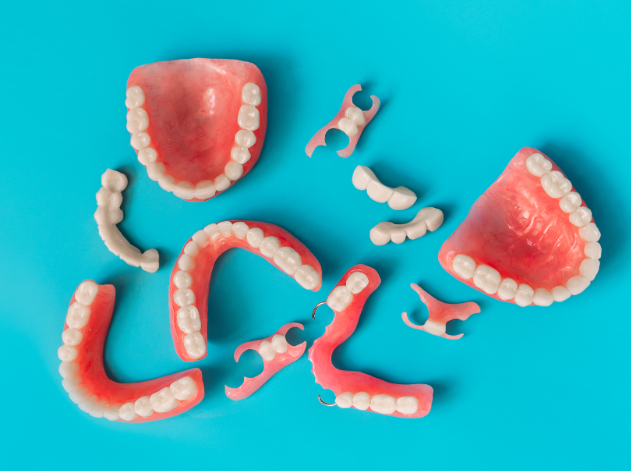
Dentures are designed to restore your smile, improve your ability to eat, and support overall oral health. But when they no longer fit properly, they can do more harm than good. While minor discomfort may seem like a small issue, ill-fitting dentures can sometimes contribute to more serious health concerns—including an increased risk of oral cancer, especially when combined with certain lifestyle habits.
Let’s explore how this happens and why maintaining properly fitted dentures is so important.
Why Do Dentures Become Ill-Fitting?
Over time, your mouth naturally changes. After tooth loss, the jawbone can gradually shrink, and gum tissues may shift. As a result, dentures that once fit comfortably can become loose or uneven. This can lead to friction, pressure points, and chronic irritation along the gums and soft tissues.
Even high-quality dentures are not meant to last forever without adjustments. Regular dental visits are essential to ensure your dentures continue to fit as your mouth changes.
The Link Between Chronic Irritation and Oral Cancer
Persistent irritation caused by ill-fitting dentures may not seem like a major issue at first. However, ongoing inflammation can create an environment where abnormal cells are more likely to develop. Research has shown that chronic irritation inside the mouth can be a contributing factor in the development of oral cancer.
It’s important to note that dentures alone don’t cause cancer. However, when poorly fitting dentures continuously rub against the same areas, they can increase vulnerability—especially if other risk factors are present.
How Tobacco and Alcohol Increase the Risk
The risk becomes more serious when ill-fitting dentures are combined with habits like tobacco use or frequent alcohol consumption. Both tobacco and alcohol are well-established risk factors for oral cancer. When the soft tissues in your mouth are already irritated from poorly fitting dentures, these substances can further damage cells and increase the likelihood of harmful changes.
This combination creates a compounding effect, where multiple risk factors work together to elevate the overall risk more significantly than any single factor alone.
Signs Your Dentures May Be Causing Problems
It’s not always obvious when dentures need attention, but there are a few warning signs to watch for. These include sore spots that don’t heal, redness or swelling, difficulty chewing, or dentures that slip when speaking or eating.
If you notice any persistent irritation or unusual changes in your mouth, it’s important to seek a professional evaluation. Early detection of potential issues plays a critical role in protecting your oral and overall health.
The Importance of Regular Adjustments and Replacement
One of the most effective ways to reduce your risk is to keep your dentures properly fitted. This may involve periodic adjustments, relining, or replacing your dentures every several years, depending on changes in your mouth.
Maintaining good oral hygiene is equally important. Cleaning your dentures daily and giving your gums time to rest can help prevent irritation and infection. Routine dental checkups allow your dentist to monitor the condition of both your dentures and your oral tissues.
Taking these proactive steps can significantly reduce your risk and help ensure your dentures continue to support your health—not compromise it.
Properly fitting dentures aren’t just about comfort—they play an important role in protecting your long-term health.
About the Practice
At Vista Dental, Dr. Robert Vong and Dr. Dennez Avendano are dedicated to providing comprehensive, patient-focused dental care, including custom dentures designed for comfort, function, and long-term oral health. We emphasize the importance of regular evaluations and maintenance to ensure restorations continue to fit properly over time. By combining modern techniques with personalized care, we help patients protect both their smiles and their overall well-being.
Call us at (775) 626-3535 or schedule your appointment online.