
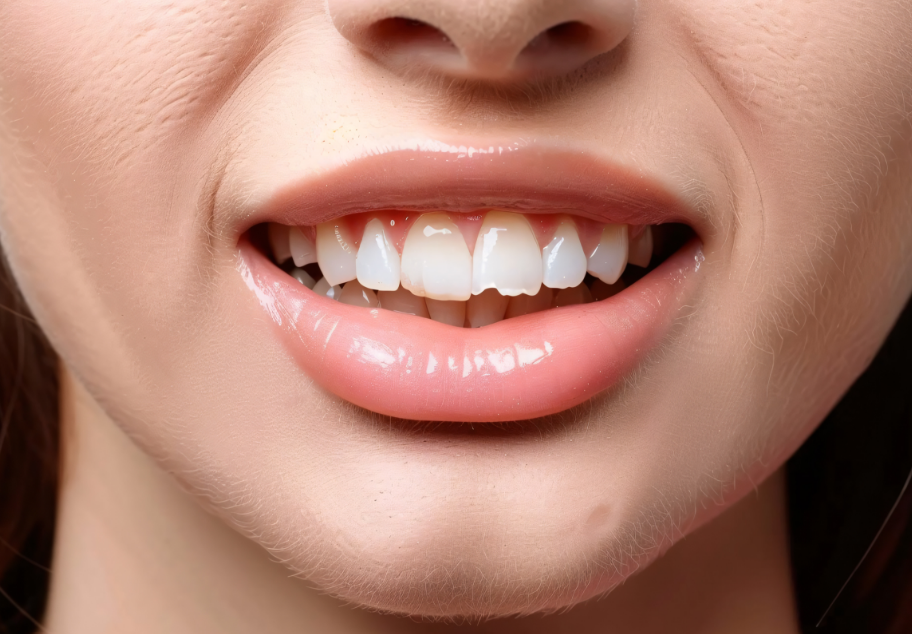
Chipping a tooth can be surprising, uncomfortable, and inconvenient. Whether it happened while biting something hard or from an accidental injury, your first instinct may be to wait and see if the tooth gets better on its own. Unfortunately, chipped teeth cannot repair themselves. While the discomfort may fade temporarily, the underlying damage remains—and ignoring it can lead to bigger problems.
Understanding why a chipped tooth won’t heal and why prompt treatment is important can help you protect your long-term oral health.
Enamel Can’t Regenerate
Your teeth are protected by enamel, the hardest substance in the human body. However, even this strong outer layer has limitations. Enamel contains no living cells, which means it cannot regrow or heal after it has been damaged. Once a piece chips off, that portion is gone for good.
Although the tooth may still function, the weakened enamel leaves it more vulnerable to decay, temperature sensitivity, and further breakage. Seeing a dentist promptly ensures you get the proper repair before the damage progresses.
A Chip Can Expose the Inner Layers of the Tooth
Depending on how severe the chip is, the underlying dentin—or even the pulp—may be exposed. Dentin is far softer and more vulnerable to bacteria than enamel. Once bacteria enter through a damaged area, decay can spread quickly. If it reaches the pulp, the tooth may become infected, requiring root canal treatment or even extraction.
Even small chips can create tiny openings where bacteria can accumulate. A dentist can examine the tooth carefully and determine the best restoration to seal it, protect it, and prevent complications.
Chips Can Lead to Sensitivity and Further Damage
Many people don’t feel much pain after chipping a tooth, but this doesn’t mean the tooth is healthy. Sensitivity to temperature, pressure, or sweets may develop over the following days, indicating that the inner layers of the tooth are affected. Additionally, a chipped tooth is structurally compromised and more likely to break further, especially while chewing.
If the tooth continues to crack, you may need a more extensive treatment such as a crown instead of a simple bonding procedure. Early intervention is the easiest and least invasive way to restore the tooth.
How Dentists Repair Chipped Teeth
Treatment options vary depending on the size and location of the chip. For minor chips, dental bonding is often the simplest fix. Your dentist applies tooth-colored resin to rebuild the missing area, making the tooth look whole again.
For larger chips or fractures, veneers or dental crowns may be recommended. These restorations provide strength, stability, and protection while preserving your natural tooth structure. If the chip is deep enough to affect the pulp, root canal therapy may be necessary to remove infection and save the tooth.
If you’ve experienced a chipped tooth, don’t wait—professional care ensures the best long-term outcome.
About the Practice
At Vista Dental Care, Dr. Vong, Dr. Avendano, and our compassionate team offer prompt, high-quality emergency dental care for patients of all ages. We provide expert evaluation and personalized treatment to repair chipped teeth, relieve discomfort, and protect long-term oral health. Whether you need bonding, a crown, or another restorative solution, our office is equipped to help you smile confidently again.
Call us at (775) 626-3535 or request an appointment online.